The Transpantaneira: An Unforgettable Road Trip Through the Pantanal
Imagine driving across endless wetlands, crossing rustic wooden bridges and spotting wild animals just metres from the road. In Brazil’s Mato Grosso state, the Transpantaneira offers exactly this kind of adventure. More than just a road, it is one of the most fascinating ways to experience the extraordinary landscapes and wildlife of the Pantanal.
For nature lovers, photographers and adventurous travellers, this iconic route is an unforgettable journey into one of the world’s most remarkable wilderness areas.
What Is the Transpantaneira?
The Transpantaneira is a famous unpaved road connecting the town of Poconé with Porto Jofre, deep in the Northern Pantanal. Stretching through vast wetlands, open grasslands and seasonal floodplains, it provides access to some of the region’s most impressive wildlife habitats.
The road is particularly well known for its numerous wooden bridges, which cross rivers, streams and flooded areas. As you travel farther into the Pantanal, the surroundings gradually become wilder, and the chances of encountering wildlife along the way make every kilometre exciting.
Unlike a conventional road trip, travelling along the Transpantaneira is as much about the journey as the destination.
Wildlife Along the Way
One of the greatest attractions of the Transpantaneira is the incredible diversity of wildlife that can be observed from the road.
Capybaras are frequently seen resting near waterways or grazing in open areas. Caimans can often be spotted along riverbanks and in roadside pools, sometimes lying remarkably close to the bridges. Birdlife is equally impressive, with jabiru storks, herons, kingfishers and colourful macaws adding splashes of colour to the landscape.
With patience and a little luck, travellers may also encounter marsh deer, giant anteaters and other fascinating mammals.
For many visitors, the ultimate dream is to see a jaguar in the wild. Although jaguar sightings are not guaranteed along the road, the Transpantaneira passes through habitats that support these magnificent predators. The area around Porto Jofre, reached at the southern end of the route, is particularly renowned for jaguar-watching excursions by boat.
A Paradise for Wildlife Photography
The Transpantaneira offers countless opportunities for photography. Animals often appear in open landscapes, making them easier to observe than in dense tropical forests.
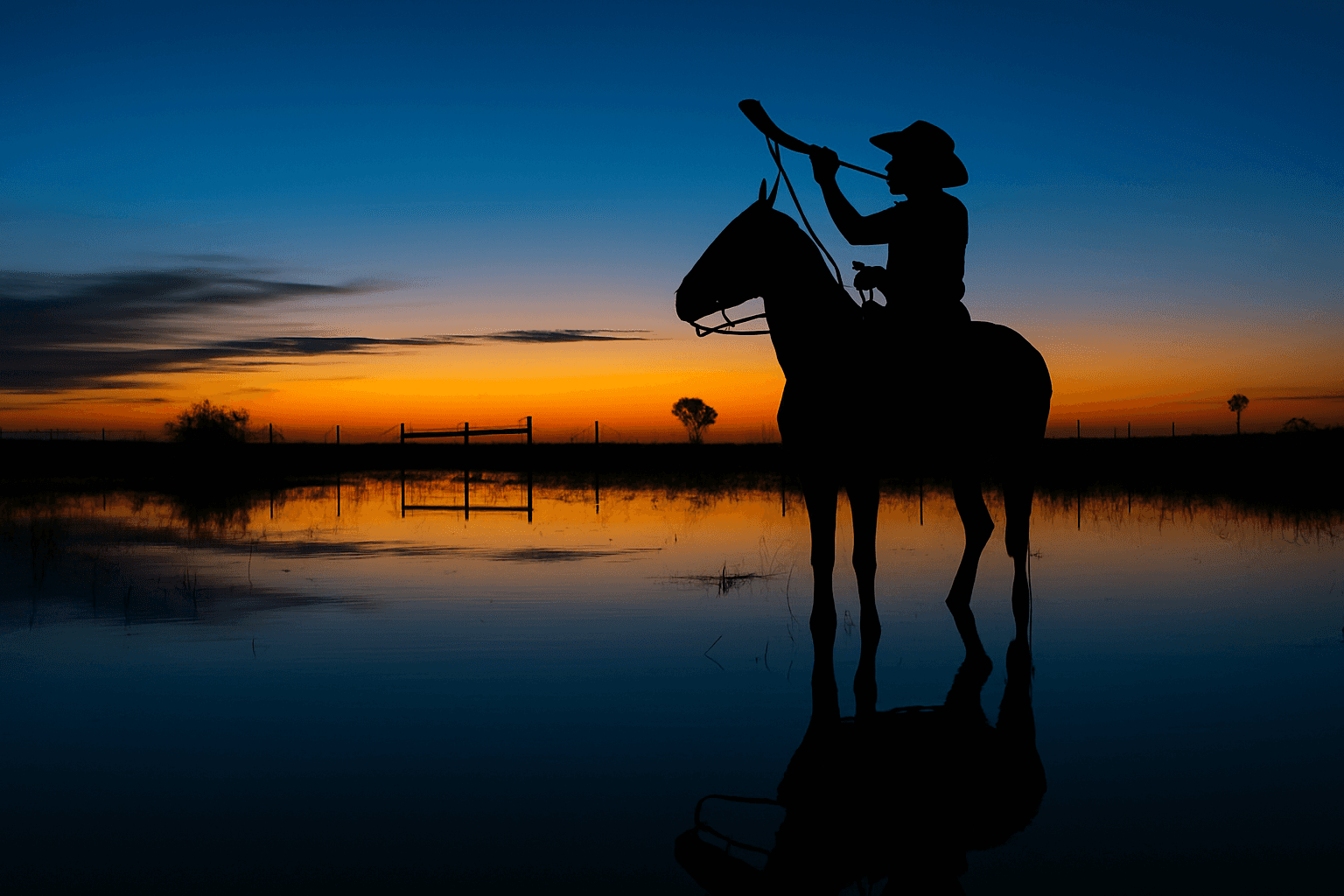
Early mornings and late afternoons can provide beautiful light for capturing wildlife and scenery. Mist may rise above the wetlands, birds take flight across the horizon, and the warm colours of sunset transform the landscape.
Whether you photograph a caiman resting beside a wooden bridge, a family of capybaras grazing in the grass or a jabiru stork standing in shallow water, the route offers endless possibilities for memorable images.
The most important things to bring are a camera with a suitable zoom lens, binoculars, sun protection and plenty of patience.
When Is the Best Time to Travel the Transpantaneira?
The Pantanal changes dramatically throughout the year, and the season you choose can influence your experience.
During the drier months, wildlife often becomes easier to spot around remaining water sources and along open stretches of land. The period from roughly June to October is particularly popular for wildlife observation, although conditions vary from year to year.
During the wetter months, parts of the landscape become flooded, creating beautiful scenery and attracting a wide variety of birds and other animals. However, heavy rainfall can also affect road conditions and accessibility.
Practical Tips for Your Journey
Here are a few simple tips:
The Transpantaneira is a remote route, so a little preparation goes a long way.
Choose suitable transport: Road conditions can vary, and a suitable vehicle with sufficient ground clearance is advisable. During challenging conditions, a 4x4 may be necessary.
Allow plenty of time: Frequent wildlife sightings make it worth travelling slowly and stopping at appropriate locations.
Bring essentials: Water, sunscreen, insect repellent, binoculars and a camera will help you enjoy the journey.
Respect the wildlife: Observe animals from a safe distance, never feed them and avoid disturbing their natural behaviour.
Choose responsible wildlife experiences: Look for operators who prioritise animal welfare, habitat conservation and respectful observation.
Remember that wild animals follow their own rhythms. No itinerary can guarantee a particular sighting, and that unpredictability is part of what makes the experience so rewarding.
Travelling with an experienced local guide can make the experience more rewarding, helping you recognise animals, understand their behaviour and discover details you might otherwise miss.
From the Transpantaneira to Porto Jofre
For travellers hoping to explore the Pantanal more deeply, Porto Jofre is a natural next stop. Situated at the end of the Transpantaneira, this remote destination provides access to an extensive network of rivers and waterways.
Here, boat excursions offer a different perspective on the wetlands and provide excellent opportunities to search for jaguars along the riverbanks. Giant otters, caimans, capybaras and numerous bird species may also be encountered.
Combining a journey along the Transpantaneira with boat safaris around Porto Jofre allows you to experience two different sides of the Pantanal: the wildlife-rich landscapes along the road and the remarkable river ecosystems beyond it.
Discover the Transpantaneira with us
At Pantanal Spirit Tours, we believe that every animal tells a story about the extraordinary ecosystem it inhabits.
A jaguar resting beside a river, a family of giant otters moving through the water or a hyacinth macaw flying above the treetops all offer a different perspective on the Pantanal.
Exploring the region with time, patience and curiosity allows you to appreciate not only its most famous wildlife but also the countless species that make this landscape so special.
Whether your dream is to photograph a jaguar, observe colourful birds or discover the quieter side of the wetlands, Mato Grosso offers remarkable opportunities for a wildlife adventure.
Oct 14, 2026
Roseli Alves de Jesus Kotzur
More posts