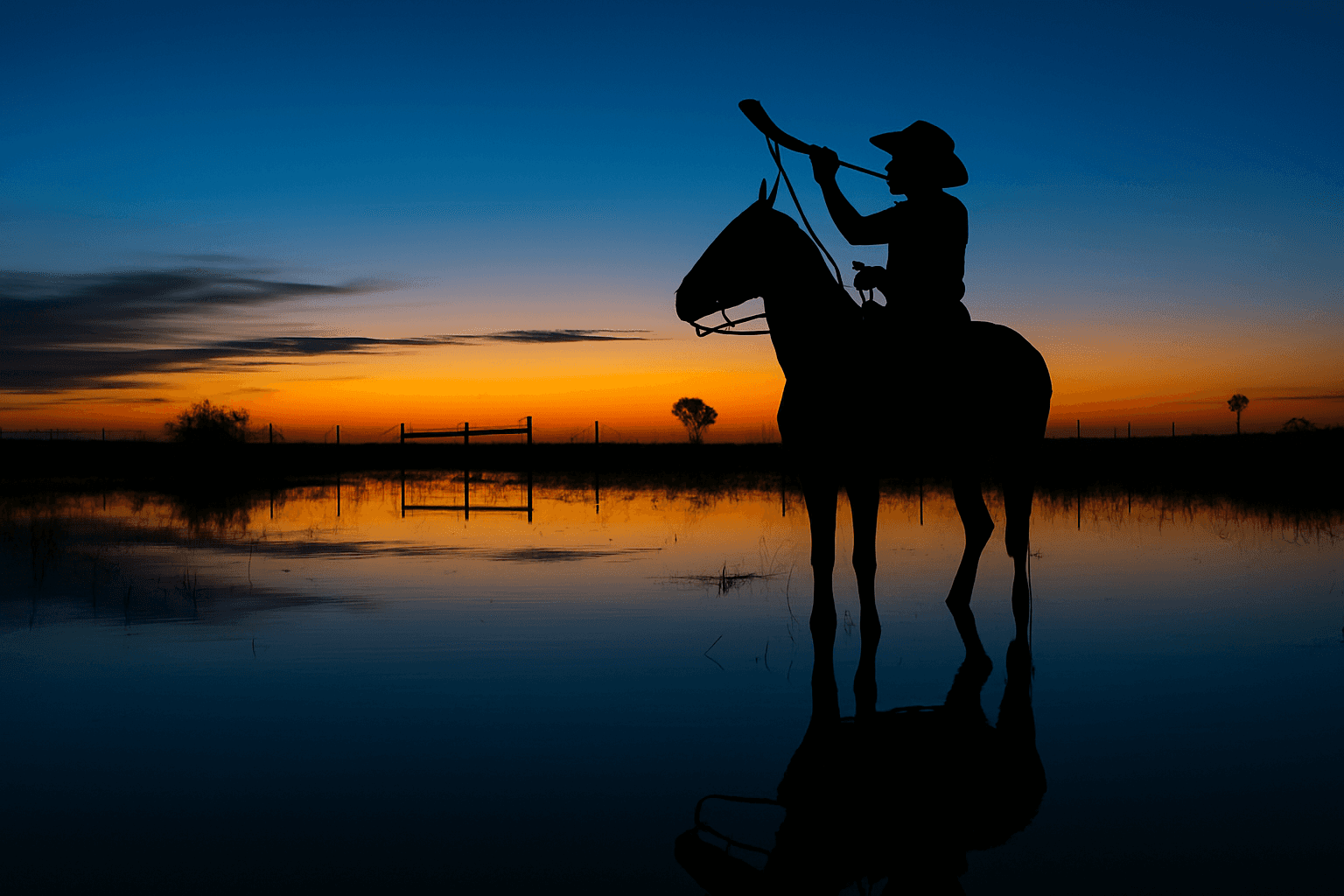
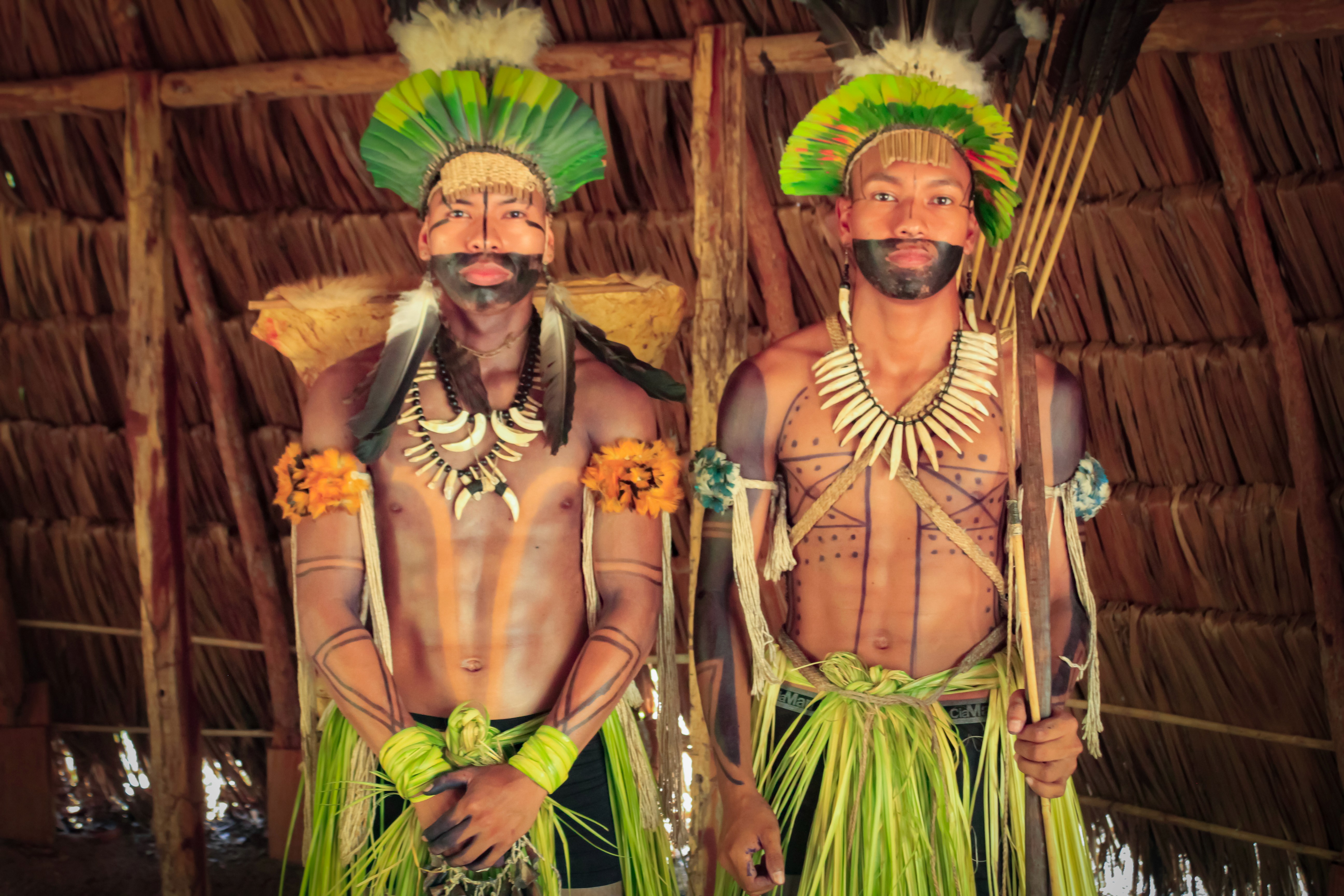
Im westlichen Teil des brasilianischen Bundesstaates Mato Grosso liegt eine Stadt, die ein faszinierendes Tor zu einem der außergewöhnlichsten Wildnisgebiete der Welt bietet: Cáceres.
Cáceres liegt am Ufer des Paraguay-Flusses und verbindet Geschichte, Kultur und Natur. Sie bietet Zugang zu den weiten Landschaften des südlichen Pantanals. Hier beginnt die Reise in eine Welt aus Flüssen, Feuchtgebieten, offenem Grasland und einer unglaublichen Vielfalt an Wildtieren.
Cáceres – Wo die Stadt auf das Pantanal trifft
Cáceres liegt direkt am Rio Paraguai, einem der wichtigsten Flüsse, die das Pantanal durchfließen. Seit Jahrhunderten prägt der Fluss das Leben der Menschen in der Region und ist nach wie vor ein wesentlicher Bestandteil seiner Landschaft und Kultur.
Wer in Cáceres ankommt, bemerkt schnell, wie eng die Stadt mit dem Pantanal verbunden ist. Fischerboote säumen die Flussufer, Vögel kreisen über dem Wasser und hinter der Stadt weicht die Landschaft allmählich weiten Wildnisgebieten.
Cáceres ist daher weit mehr als ein Zwischenstopp. Es ist ein idealer Ausgangspunkt für Reisende, die eine ruhigere und weniger besuchte Seite des Pantanals entdecken möchten.
Erkundung des Rio Paraguai
Eine der lohnendsten Möglichkeiten, die Region um Cáceres zu erleben, ist vom Wasser aus.
Der Rio Paraguai führt tief in das Pantanal hinein und bietet eine völlig andere Perspektive auf dieses einzigartige Ökosystem. Während sich das Boot langsam den Fluss entlangbewegt, verändert sich die Szenerie ständig. Dichte Vegetation weicht offenen Wasserflächen, ruhigen Kanälen und natürlichen Lagunen.
Der Fluss ist auch ein Paradies für Vogelbeobachter. Reiher warten geduldig im seichten Wasser, Eisvögel sitzen auf Ästen über dem Wasser und mit etwas Glück lassen sich unterwegs farbenprächtige Aras und viele andere Arten beobachten.
Und natürlich sind auch Kaimane nie weit entfernt.
Eine andere Seite des Pantanals
Während viele Reisende das Pantanal in erster Linie mit Jaguaren in Verbindung bringen, zeigt die Region um Cáceres, wie vielfältig dieses außergewöhnliche Ökosystem wirklich ist.
Entlang der Flüsse und Feuchtgebiete kann man Capybaras, Kaimanen, Affen, Sumpfhirschen und einer beeindruckenden Vielfalt an Vögeln begegnen.
Je weiter man in entlegenere Gebiete vordringt, desto wilder wird die Landschaft. Flüsse, Feuchtgebiete, Savannen und Waldlebensräume bilden ein Mosaik von Lebensräumen, die eine außergewöhnliche Vielfalt an Wildtieren beherbergen.
Diese Kombination macht die Region besonders faszinierend für Naturliebhaber, Wildtierbegeisterte und Fotografen.
Cáceres und die Geschichte der Region
Cáceres ist nicht nur ein Tor zur Natur, sondern auch eine Stadt mit einer faszinierenden Geschichte.
Die Region wurde im 18. Jahrhundert von portugiesischen Kolonisten besiedelt und entwickelte sich dank ihrer strategischen Lage am Rio Paraguai zu einem wichtigen Handels- und Transportzentrum.
Noch heute spiegeln historische Gebäude und die traditionelle Atmosphäre der Stadt ihre Vergangenheit wider.
Ein Aufenthalt in Cáceres bietet daher die Möglichkeit, ein Pantanal-Abenteuer mit einem Einblick in die Geschichte und Kultur von Mato Grosso zu verbinden.
Das Pantanal erleben – langsam und bewusst
Eine Reise durch das Pantanal muss nicht überstürzt werden.
Tatsächlich entstehen einige der denkwürdigsten Momente, wenn man das Tempo drosselt.
Wenn sich das Boot leise den Fluss entlangbewegt.
Wenn man innehält, um die Tierwelt am Flussufer zu beobachten.
Wenn plötzlich ein Vogelschwarm den Himmel kreuzt oder ein Kaiman direkt neben dem Boot auftaucht.
Das Pantanal belohnt Geduld und Aufmerksamkeit.
Und genau das macht eine Reise ab Cáceres so besonders.
Entdecken Sie das Pantanal mit Pantanal Spirit Tours
Bei Pantanal Spirit Tours möchten wir Ihnen mehr als nur einzelne Tiere zeigen. Wir möchten, dass Sie die Landschaften, Wasserwege und Ökosysteme erleben, die das Pantanal zu einem so bemerkenswerten Reiseziel machen.
Cáceres bietet einen faszinierenden Ausgangspunkt für dieses Abenteuer. Von hier aus können Sie den Rio Paraguai erkunden, abgelegene Landschaften entdecken und die unglaubliche Tierwelt des Pantanals aus einer einzigartigen Perspektive erleben.
Ob Sie wegen der Vögel kommen, Kaimane und Capybaras beobachten möchten oder davon träumen, einen Jaguar in freier Wildbahn zu sehen – jede Reise in das Pantanal ist anders.
Denn hinter jeder Flussbiegung könnte etwas Neues warten.
Ein Vogel in den Bäumen.
Ein Kaiman am Flussufer.
Eine Capybara-Familie am Wasser.
Oder vielleicht die Silhouette eines Jaguars in der Ferne.
Cáceres ist mehr als nur ein Ort auf der Landkarte. Es ist der Beginn eines Abenteuers im Herzen des Pantanals.